CBS Sunday Morning features WashU Anesthesiology’s multidisciplinary pain care and research

CBS News chief medical correspondent Jon LaPook, MD, highlights how WashU Medicine clinicians and researchers are using targeted care, pain psychology, and EEG neurotechnology to treat chronic pain.
Bridging the gap: How philanthropy accelerated the search for safer pain relief (Links to an external site)

Support from the Dr. Seymour & Rose T. Brown Professorship helped Dr. Rob Gereau turn an early research idea into a promising path toward safer, more effective treatments for chronic pain.
Study reveals how ketamine interacts with opioid receptors (Links to an external site)

WashU Medicine researchers have uncovered new insights into the pharmacology of ketamine that help explain both its rapid benefits and its risks.
McCall, Al-Hasani, and Moron-Concepcion to study how fentanyl disrupts the brain’s locus coeruleus system (Links to an external site)
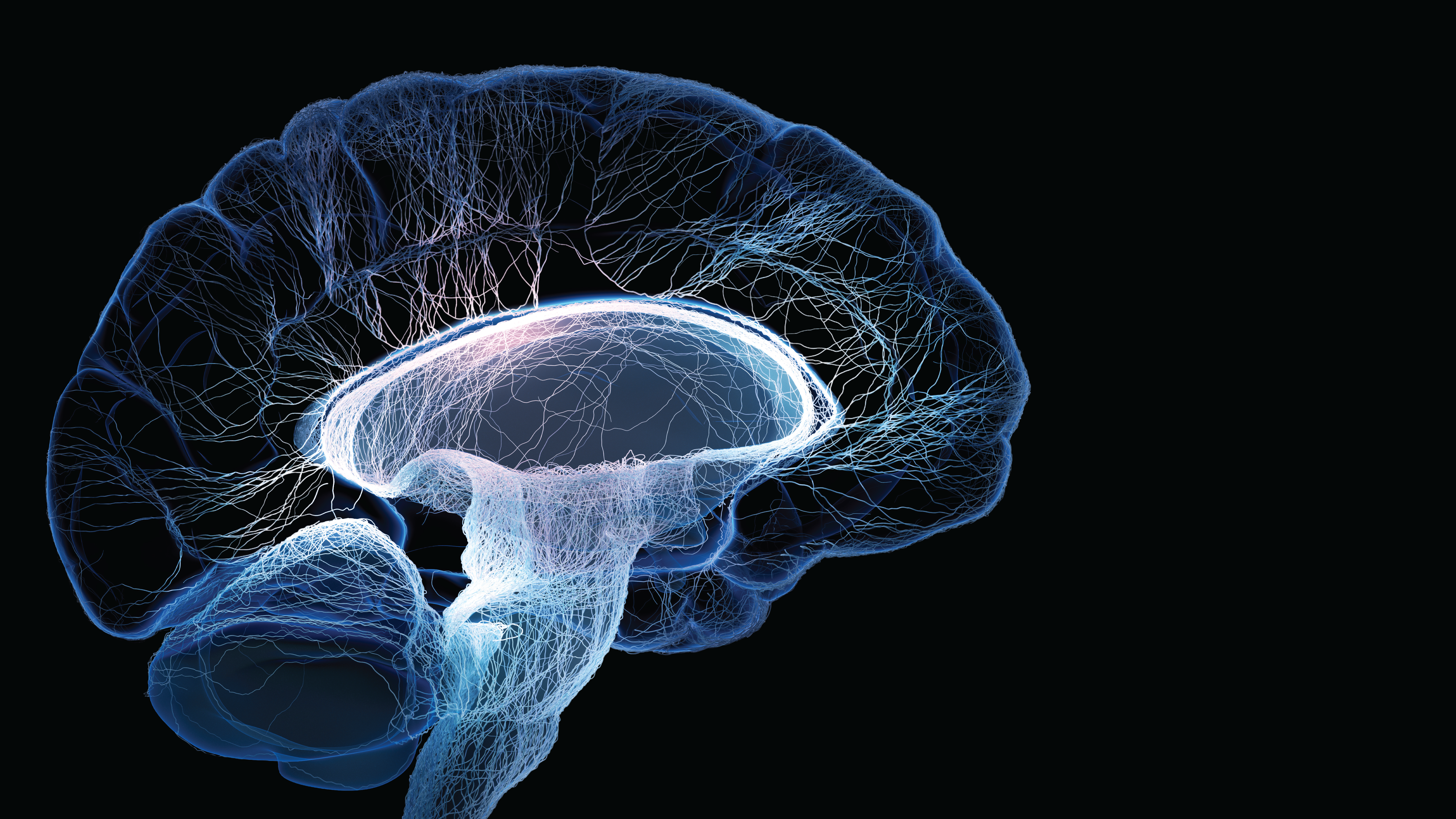
Jordan McCall, Ream Al-Hasani, and Jose Moron-Concepcion, faculty in the Department of Anesthesiology at WashU Medicine, have received a five-year, $3,414,110 grant from NIDA to investigate how fentanyl use disrupts the brain’s noradrenergic locus coeruleus system and drives relapse.
Highlights from the 2026 Anesthesiology Summer Research Fellowship (Links to an external site)

The 2026 ASSURE Fellowship welcomed six undergraduate students for a 10-week summer research experience, connecting St. Louis-area students with biomedical research and nationally recognized researchers, clinicians, and trainees.
Scientists identify brain’s brake that shuts off chronic pain (Links to an external site)
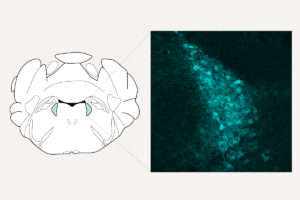
Finding from mouse study could lead to targeted treatments for chronic nerve pain.
How early-life stress leaves a ‘scar’ inside brain cells (Links to an external site)

Mouse study finds changes to DNA packaging form molecular memory of trauma, make brain vulnerable to future stress.
How pain psychology can help manage chronic pain (Links to an external site)

According to the U.S. Pain Foundation, chronic pain affects millions of people and can impact nearly every part of daily life – sleep, exercise, work, relationships and emotional well-being. Felicitas Huber, PhD, a WashU Medicine pain psychologist, says that treatment often requires more than medication alone.
NIH grant supports research on brain development after opioid exposure in the womb (Links to an external site)

Dr. Ream Al-Hasani has received a $3.5 million grant from the National Institute on Drug Abuse within the National Institutes of Health (NIH) to study how exposure to opioids before birth affects long-term brain development and behavior.
Four WashU Medicine Anesthesiology Researchers Awarded McDonnell Center Grants (Links to an external site)

From uncovering new biological targets for opioid addiction to developing safer chronic pain treatments, see how these innovators are transforming patient care.